
Use Case
Skincare Sells on Texture, Light, and Trust
Frosted glass, dropper caps, cream textures, golden-hour bathrooms — skincare is the most light-sensitive category in e-commerce, and the one where an inaccurate render costs you the customer's trust.
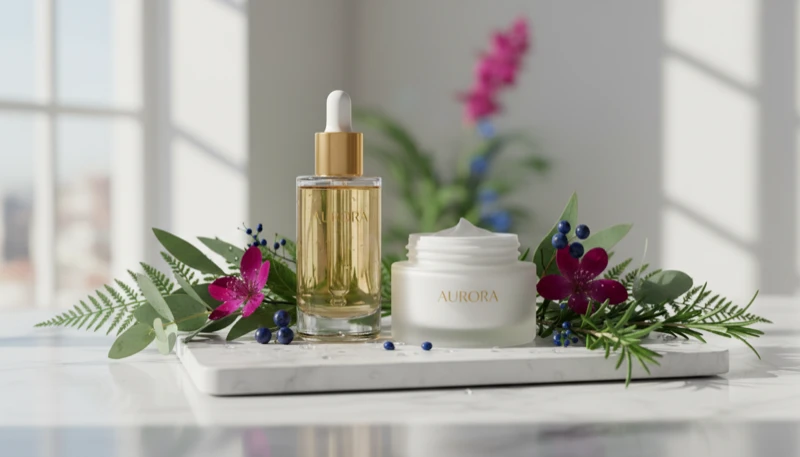
The Challenge.
Skincare packaging is an optics problem. Frosted glass, translucent serums, metallic dropper caps — every container is an exercise in how light passes through and reflects off materials. Generic AI prompting mangles exactly these properties: the frosted jar renders glossy, the golden serum turns opaque, the label text smears. And a skincare customer comparing your photo to the jar that arrives notices everything.
The category also runs on people. Application shots, ritual moments, before-the-mirror scenes — skincare conversion imagery needs consistent on-brand models applying real product, in volumes that support both the PDP and a constant ad rotation. Booking that monthly with a traditional shoot is a five-figure habit.
Meanwhile the brands winning the category publish constantly: PDP refreshes, UGC-style ad creative, seasonal campaigns. Mid-size skincare brands are stuck choosing between stale imagery and unsustainable production costs.
How Dezygn Solves This.
Dezygn treats skincare the way our agency work does: as a brand-world problem first. One of our reference projects is a Belgian candle-and-skincare brand whose extracted identity — Mediterranean coastal, olive groves, sun-bleached linen, terracotta and sage, golden hour — became the filter for every scene, prop and lighting decision. That's what keeps fifty images across a season looking like one brand instead of fifty prompts. The accuracy layer is engineered, not hoped for. Containers are anchored by real product photos and described by what matters: '50ml frosted glass bottle, gold-plated dropper cap, clear golden-toned liquid inside.' Material-true specificity in, accuracy out. Models follow the dedicated-model workflow — brief from the brand identity, comp card selection, clean portraits for compositing — so the same face carries your PDP, your ads and your UGC-style content. And the lighting recipes are matched to the job: high-key studio for catalog, natural window light for ritual scenes, golden hour for the aspirational set.
Material-True Containers
Frosted glass, airless pumps, droppers, cream textures — real source images plus material-specific descriptions keep every container physically honest.
UGC Application Shots
iPhone-aesthetic, candid application moments — mid-routine, bathroom light, gaze off camera — engineered deliberately for the ad formats that outperform polish.
A Brand World, Not a Backdrop
Scenes built from your extracted brand identity — your geography, your materials, your palette — so the whole catalog coheres like a campaign.
One Dedicated Model Across Everything
The same brand-matched face on PDP, ads and social, generated from clean portraits so composites land on the first try.
Honest Claims by Design
Texture, ritual and lifestyle do the selling — no fabricated skin-results imagery that violates platform policy and customer trust.
2K+
Minimum source resolution so label type survives
6
Ingredients controlled per image (Visual Syntax)
1 face
Dedicated model consistency across the catalog
Related Use Cases.
Supplements
Capsule counts, claims, ingredient panels — supplement customers read everything. Photography that garbles a label doesn't just look bad; it reads as untrustworthy in a category built on trust.
Beauty & Cosmetics
No category consumes more creative or scrutinizes it harder. Consistent models, honest skin texture, true-to-tube shades — at the publishing cadence beauty demands.
Candles & Home Fragrance
Candles are the purest atmosphere product in e-commerce — bought for the mood they promise. The photography has to deliver that mood, and we've built exactly this brand world for a real candle and skincare brand.